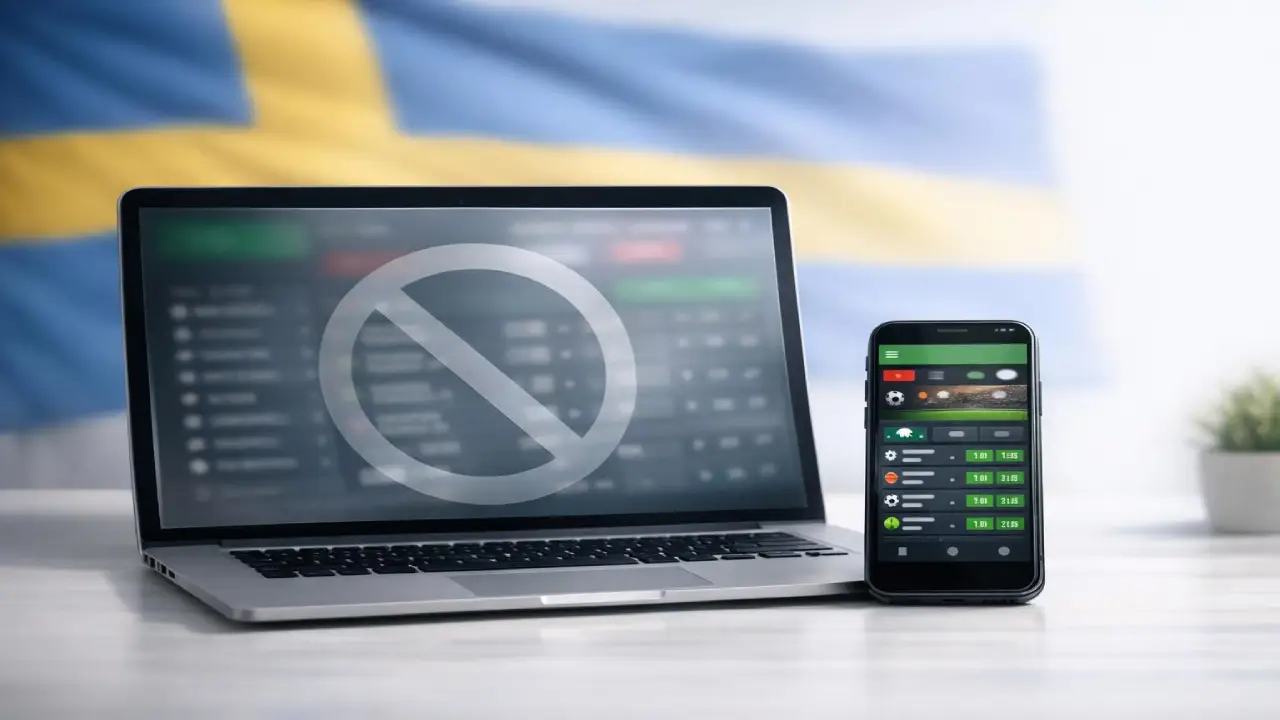
Sweden has long prided itself on maintaining one of Europe’s most structured and consumer-focused gambling regulatory frameworks. Since the landmark legislation of January 2019, the Swedish market has operated under a licensing model designed to balance player protection with commercial viability. Yet seven years into this experiment, the data tells a complicated story. A growing share of Swedish betting activity is migrating to international platforms that operate beyond the reach of Spelinspektionen and the Spelpaus self-exclusion register. The rise of communities discussing betting utan spelpaus reflects a broader trend that regulators and licensed operators are struggling to reverse. Understanding what is driving this shift requires examining how Swedish regulations, despite their good intentions, have created friction points that push otherwise satisfied bettors toward the international market.
The Swedish Licensing Model: Ambitious Goals and Unintended Consequences
When Sweden transitioned from its state-controlled gambling monopoly to a licensed market in 2019, the goals were clear. The new system would channel gambling activity toward regulated, taxed operators who would adhere to strict responsible gambling standards. Players would benefit from consumer protections, transparent odds, and access to the Spelpaus self-exclusion tool. Operators would benefit from legal access to one of Europe’s most affluent and digitally sophisticated betting populations.
The early results appeared promising. Major international brands applied for Swedish licenses, the market formalized rapidly, and tax revenue flowed to government coffers. But the regulatory framework was built with an inherently conservative philosophy that prioritized restriction over flexibility. Bonus limitations, advertising constraints, mandatory deposit limits, and the all-or-nothing Spelpaus system were implemented as protective measures. Each individual rule had a defensible rationale, but their cumulative effect created a betting experience that many Swedish players found increasingly restrictive compared to what was available elsewhere.
The unintended consequence has been a steady migration of betting activity away from the licensed market. Industry estimates suggest that between 15% and 25% of all online gambling by Swedish residents now takes place at unlicensed international sites. That percentage has grown year over year since 2020, indicating that the regulatory approach is not succeeding in its goal of channeling player activity into the licensed ecosystem.

Bonus Restrictions and Their Impact on Player Behavior
Sweden’s decision to limit licensed operators to a single welcome bonus per customer was one of the most debated regulatory choices. The logic was that ongoing promotions encourage excessive gambling by creating artificial incentives to keep playing. In practice, the restriction has become one of the primary reasons Swedish players explore international alternatives.
The global betting industry runs on promotional competition. Operators worldwide use bonuses, cashback offers, free bets, and loyalty programs to attract and retain customers. Swedish bettors who travel, consume international media, or interact with friends in other European countries are fully aware of what they are missing. A Swedish-licensed site offering a modest welcome bonus and nothing beyond that competes against international platforms offering multi-tiered deposit matches, weekly cashback, enhanced odds promotions, and VIP reward programs.
The result is predictable. Price-sensitive and value-conscious bettors gravitate toward the platforms that offer more for their money. These are not necessarily problem gamblers or irresponsible spenders. Many are experienced bettors who manage their bankrolls carefully and view bonuses as a rational component of their overall betting strategy. By eliminating promotional competition within the licensed market, Swedish regulations have inadvertently created a competitive advantage for unlicensed international operators.
Advertising Constraints and the Information Gap
Sweden has progressively tightened restrictions on gambling advertising, limiting when, where, and how licensed operators can promote their services. Television advertising is restricted to certain hours, social media marketing faces increasing scrutiny, and affiliate marketing practices are under constant regulatory review. These restrictions aim to reduce gambling normalization and protect vulnerable populations, particularly young people.
The unintended effect is an information gap. Licensed operators have fewer channels through which to communicate with potential customers, while international sites face no such restrictions. Unlicensed operators can market freely through social media influencers, international sports sponsorships, and online advertising networks that fall outside Swedish regulatory jurisdiction. A Swedish bettor searching for betting options online is increasingly likely to encounter marketing from international platforms rather than domestic ones.
This creates a paradox. The advertising restrictions designed to protect Swedish consumers may actually be redirecting them toward less regulated alternatives. A player who discovers an international betting site through an Instagram influencer or a YouTube sponsorship is entering an environment with fewer consumer protections than the Swedish-licensed market provides. The regulations, in trying to limit exposure to gambling promotion, have shifted the promotional advantage to operators who are not bound by Swedish rules.
The Spelpaus Paradox: Protection That Becomes a Push Factor
Spelpaus remains one of the most discussed elements of the Swedish gambling framework, and its role as both a protective tool and a driver of international migration deserves careful examination. The system was designed as a safety net for players experiencing gambling-related harm, and for individuals in genuine crisis, it fulfills that function effectively. The ability to block yourself from every licensed operator with a single action is powerful and has unquestionably helped thousands of Swedish players.
The problem lies in the system’s rigidity. Spelpaus does not distinguish between a compulsive gambler in financial crisis and a casual bettor who activated the block impulsively, perhaps after a frustrating loss or during a temporary desire for a break. Both are treated identically: complete exclusion for the chosen duration with no option to reverse, modify, or selectively apply the restriction.
This one-size-fits-all approach drives casual bettors toward international platforms. A player who regrets a hasty Spelpaus registration has two choices: wait out the full exclusion period, or find an international site that does not participate in the system. For many, the second option is far more appealing. Once these players discover the international market and experience its broader offerings, a significant percentage do not return to Swedish-licensed sites even after their Spelpaus period expires. What began as a temporary workaround becomes a permanent preference.
Deposit Limits and the Perception of Overreach
In addition to Spelpaus and bonus restrictions, Swedish-licensed operators are required to implement deposit limit systems. Players must set a deposit limit before they can begin betting, and while they can adjust this limit, increases require a waiting period before taking effect. The system is designed to encourage thoughtful spending and prevent impulsive large deposits during heated betting sessions.
For many bettors, however, mandatory deposit limits feel paternalistic. Adults who earn their own income and manage their own finances across every other area of life are told by gambling regulators that they cannot be trusted to decide how much to deposit at a betting site. The psychological effect of this perceived overreach should not be underestimated. It creates resentment toward the licensed system and makes the freedom of international platforms feel like a breath of fresh air by comparison.
International betting sites generally allow players to set their own deposit limits voluntarily but do not impose them by default. The distinction matters. Having access to responsible gambling tools that you choose to activate is empowering. Being forced into mandatory restrictions regardless of your personal circumstances feels like a loss of autonomy. For the segment of the Swedish betting population that values personal responsibility and freedom of choice, this difference alone is enough to tip the balance toward international alternatives.
What the Channeling Rate Reveals About Regulatory Effectiveness
The channeling rate, the percentage of total gambling activity that occurs within the licensed market, is the key metric for evaluating whether a regulatory framework is achieving its primary objective. Sweden’s initial target was a channeling rate of approximately 90%, meaning that nine out of ten gambling transactions by Swedish residents would take place at licensed operators.
Actual channeling rates have consistently fallen short of this target. Independent industry analyses and operator reporting suggest the rate sits somewhere between 75% and 85%, depending on the methodology used and the gambling vertical measured. Sports betting channeling tends to be lower than casino channeling because the product differences between licensed and unlicensed sports betting sites are more pronounced and more easily recognized by bettors.
A channeling rate below target means that Swedish regulations are not successfully capturing the majority of player activity. Revenue that could be taxed and monitored within the domestic system instead flows to international operators who pay no Swedish gambling tax, contribute nothing to Swedish responsible gambling initiatives, and operate without Swedish regulatory oversight. The irony is that the very restrictions designed to protect Swedish players are contributing to a regulatory environment where a significant minority of players are less protected than they would be under a more permissive domestic framework.
The Path Forward: Regulation, Adaptation, and Player Choice
The Swedish gambling market stands at a crossroads. Spelinspektionen faces pressure from multiple directions: licensed operators advocate for relaxed restrictions to improve their competitive position, responsible gambling advocates push for even stricter protections, and the persistent flow of players to international sites suggests that the current balance is not working optimally for anyone.
Several European jurisdictions offer potential models for recalibration. Denmark’s regulatory approach, which is broadly similar to Sweden’s but with more flexible promotional rules, achieves a higher channeling rate. The Netherlands, which launched its licensed online gambling market more recently, incorporated lessons from Sweden’s experience when designing its regulatory framework. Both markets demonstrate that it is possible to maintain strong consumer protections while offering a competitive enough product to keep players within the regulated ecosystem.
For Swedish bettors navigating the current landscape, the reality is that international betting sites will continue to attract players as long as the domestic market feels restrictive by comparison. Players who choose to bet at international platforms are making a rational decision based on the options available to them. Whether that choice involves seeking better bonuses, avoiding the rigidity of Spelpaus, accessing wider sports markets, or simply exercising personal autonomy over their entertainment spending, the underlying message is consistent. Swedish regulations need to evolve alongside player expectations rather than against them, because a framework that drives a quarter of its target audience toward unregulated alternatives is a framework that has room for significant improvement in serving the very population it was designed to protect.