
Casino odds determine how likely players are to win money and how much the house keeps over time. Every casino game has built-in mathematical advantages that favor the casino, but some games offer much better chances for players than others.
Table games like blackjack and baccarat typically offer the best odds for players, while slot machines and lottery-style games usually have the worst odds. Understanding these differences can help players make smarter choices about where to spend their gambling money. The house edge varies widely between games, ranging from less than 1% in some card games to over 5% in many slot machines.
Players who learn how odds work can better manage their expectations and bankroll. This knowledge covers everything from basic probability concepts to advanced strategies for different games, plus how online casinos compare to traditional venues and what factors influence the odds players face.

Understanding Casino Odds
Casino odds show the probability of winning or losing in any game, while the house edge ensures casinos maintain a profit advantage over time.
Definition of Casino Odds
Casino odds represent the mathematical probability of specific outcomes in gambling games. They tell players how likely they are to win or lose on any given bet.
Odds can be expressed in different formats. Fractional odds like 3/1 mean you win $3 for every $1 bet. Decimal odds like 4.00 show your total return including your original bet.
Percentage odds display the likelihood as a percentage. A 25% chance means the event happens once every four times on average.
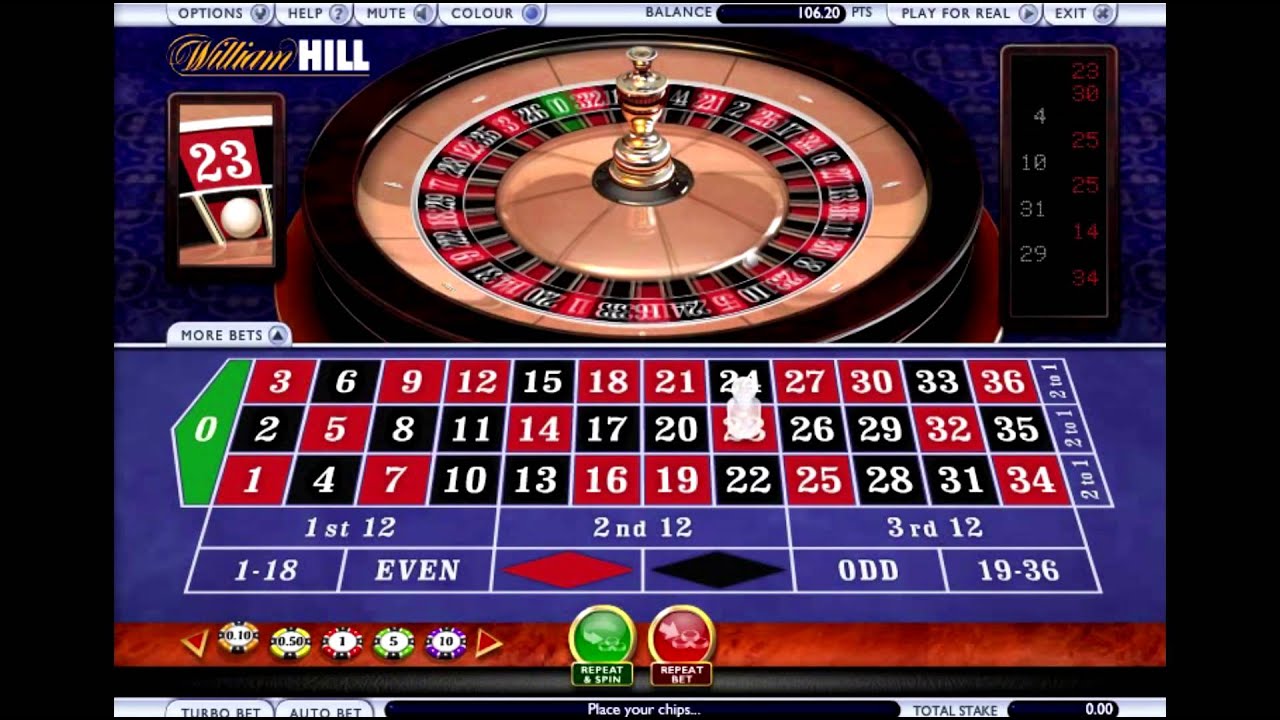
Each casino game has fixed odds based on mathematical calculations. Slot machines might have odds of 1 in 10,000 for the jackpot. Roulette has 37 or 38 possible outcomes depending on the wheel type.
Understanding these numbers helps players make informed decisions. Higher odds mean lower chances of winning but bigger potential payouts.
How Casino Odds Work
Casino odds operate on probability theory and mathematical formulas. The casino calculates the true odds of each outcome, then adjusts payouts to ensure they profit long-term.
In roulette, the true odds of hitting a single number are 36 to 1 on a European wheel. The casino pays 35 to 1, keeping the difference as profit.
Game designers program specific return rates into each game:
- Slot machines: 85-98% return to player
- Blackjack: 99.5% with perfect strategy
- Roulette: 97.3% (European) or 94.7% (American)
Random number generators ensure fair outcomes in digital games. Physical games rely on physics and chance.
The casino doesn’t need to cheat because the odds favor them mathematically. Over thousands of bets, the house edge generates consistent profits.
House Edge Explained
The house edge is the casino’s built-in advantage over players, expressed as a percentage. It represents how much the casino expects to keep from every dollar wagered over time.
A 5% house edge means the casino keeps $5 from every $100 bet on average. Players lose this amount gradually through repeated play.
Common house edge percentages by game:
| Game | House Edge |
|---|---|
| Blackjack | 0.5-1% |
| Baccarat | 1.06-1.24% |
| Craps | 1.4% |
| European Roulette | 2.7% |
| American Roulette | 5.26% |
| Slots | 2-15% |
The house edge applies to long-term play, not individual sessions. A player might win big short-term despite the mathematical disadvantage.
Lower house edge games give players better odds. Smart gamblers choose games with favorable percentages and avoid high house edge options.

Types of Casino Odds
Casino odds come in different forms that affect how players win and lose money. Fixed odds stay the same for each bet, progressive odds change based on jackpot size, and true odds show the real math behind each game.
Fixed Odds
Fixed odds remain constant throughout the game. These odds never change regardless of previous outcomes or other players’ actions.
Most table games use fixed odds. Blackjack pays 3:2 for a natural blackjack every time. Roulette pays 35:1 for a single number bet on every spin.
The house edge stays the same with fixed odds. European roulette has a 2.7% house edge on every spin. This percentage doesn’t change based on winning or losing streaks.
Common Fixed Odds Games:
- Blackjack
- Roulette
- Craps
- Baccarat
Players can calculate exact expected losses with fixed odds. A $100 bet on European roulette will lose $2.70 on average over time.
Progressive Odds
Progressive odds change as the jackpot grows larger. The payout increases each time someone plays without hitting the jackpot.
Slot machines often feature progressive jackpots. The top prize starts at a base amount and grows with each bet. Some progressives reach millions of dollars.
The return to player percentage changes as jackpots grow. A slot might have 95% RTP normally but 98% RTP when the progressive is high. Players get better value when jackpots are large.
Types of Progressive Systems:
- Standalone: Single machine jackpot
- Local: Multiple machines in one casino
- Wide Area: Machines across many casinos
Progressive odds favor players more at higher jackpot levels. Smart players wait for large jackpots before playing these games.
True Odds
True odds represent the actual mathematical probability of an outcome. These odds show what payouts would be if casinos took no profit.
A single number in roulette has 37 possible outcomes but only one winning number. The true odds are 36:1 against winning. Casinos pay 35:1, keeping the difference as profit.
True odds help players understand house edge. The difference between true odds and casino payouts creates the house advantage. Bigger differences mean worse odds for players.
True Odds vs Casino Payouts:
| Bet Type | True Odds | Casino Pays | House Edge |
|---|---|---|---|
| Roulette Single | 36:1 | 35:1 | 2.7% |
| Craps Pass Line | 251:244 | 1:1 | 1.4% |
| Blackjack | 1:1 | 1:1 | 0.5% |
Players use true odds to compare different bets. Games with payouts closer to true odds offer better winning chances.
Casino Odds in Popular Games
Different casino games offer varying odds and house edges that directly impact a player’s chances of winning. Blackjack provides the best odds with proper strategy, while slot machines typically offer the lowest probability of success.
Slot Machine Odds
Slot machines have some of the worst odds in any casino. Most slots have a house edge between 2% and 15%.
The odds of hitting a major jackpot are extremely low. Progressive slots can have odds as bad as 1 in 50 million for the top prize.
Return to Player (RTP) rates vary by machine:
- Penny slots: 86-93%
- Dollar slots: 95-98%
- High-limit slots: 98-99%
Players should look for machines with higher RTP percentages. These numbers represent how much money the machine pays back over time.
The house edge on slots means players will lose money in the long run. Short-term wins are possible, but the math always favors the casino.
Blackjack Odds
Blackjack offers the best odds of any casino game when played correctly. The house edge can be as low as 0.5% with basic strategy.
Basic strategy reduces the house edge significantly:
- Without strategy: 2-4% house edge
- With basic strategy: 0.5-1% house edge
- With card counting: Slight player advantage
The dealer’s upcard affects the odds of each hand. Players have better odds when the dealer shows weak cards like 4, 5, or 6.
Different rule variations change the odds:
- Dealer hits soft 17: +0.22% house edge
- Double after split allowed: -0.14% house edge
- Surrender allowed: -0.07% house edge
Players must learn basic strategy to achieve these low house edge numbers.
Roulette Odds
Roulette odds depend on which version players choose. American roulette has worse odds than European roulette.
European Roulette (single zero):
- House edge: 2.7%
- Single number bet: 35-to-1 payout, 2.7% probability
American Roulette (double zero):
- House edge: 5.26%
- Single number bet: 35-to-1 payout, 2.6% probability
Outside bets offer the best odds but lower payouts. Red/black and odd/even bets pay even money with nearly 50% chance of winning.
Inside bets have higher payouts but much lower odds of hitting. A straight-up number bet has only a 2.7% chance in European roulette.
Poker Odds
Poker odds vary greatly depending on the game type and situation. Video poker offers some of the best odds in the casino.
Video Poker provides excellent odds with proper play:
- Jacks or Better: 99.54% RTP
- Deuces Wild: 100.76% RTP
- Double Double Bonus: 98.98% RTP
Texas Hold’em odds change throughout each hand. Pre-flop pocket pairs have these approximate winning chances against one opponent:
- AA: 85%
- KK: 82%
- QQ: 80%
- AK suited: 67%
Players need to understand pot odds and implied odds to make profitable decisions. The house takes a rake in cash games, typically 5-10% of each pot up to a maximum amount.
Tournament poker has different considerations since players compete against each other rather than the house.
Comparison of Online and Land-Based Casino Odds
Online casinos typically offer better odds than land-based casinos due to lower operating costs and higher payout rates. The wider selection of games available online also gives players more options to find favorable odds.
Payout Rate Differences
Online casinos generally provide higher Return to Player (RTP) rates than their land-based counterparts. Most online slots offer RTP rates between 94% and 98%, while land-based slots often range from 88% to 94%.
The difference stems from operational costs. Land-based casinos pay for real estate, utilities, staff wages, and facility maintenance. These expenses force them to maintain lower payout rates to cover overhead costs.
Online casinos operate with significantly lower expenses. They don’t need physical buildings, extensive staff, or costly amenities. This allows them to pass savings to players through better odds.
Typical RTP Comparisons:
- Online blackjack: 99.5%
- Land-based blackjack: 99.0-99.3%
- Online roulette: 97.3% (European)
- Land-based roulette: 94.7-97.3%
Many online casinos display RTP percentages openly. Land-based casinos rarely share this information with players.
Game Availability Impact
Online platforms offer thousands of game variations with different odds structures. Players can easily compare RTP rates and choose games with the most favorable returns.
Land-based casinos have limited floor space. They typically offer fewer game variants and focus on popular titles. This restriction limits players’ ability to find games with better odds.
Online casinos feature games from multiple software providers. Each provider offers different RTP rates for similar game types. Players can switch between providers to find optimal odds.
Most online casinos allow players to test games in demo mode. This feature helps players understand odds and gameplay before risking real money. Land-based casinos don’t offer this option.
The competition among online operators drives them to offer games with better odds to attract players.
Factors Influencing Casino Odds
Several key elements determine the odds players face in casino games. Game rule variations can shift house edges significantly, while different bet types offer varying payout rates and risk levels.
Game Rules Variations
Different versions of the same game create vastly different odds for players. In blackjack, games that allow doubling after splitting reduce the house edge by 0.13%. Single-deck blackjack offers better odds than six-deck versions.
European roulette provides a 2.7% house edge with its single zero. American roulette jumps to 5.26% with the added double zero. This small rule change nearly doubles the casino’s advantage.
Common Rule Variations That Affect Odds:
- Blackjack: Dealer hits soft 17 (+0.22% house edge)
- Blackjack: 6:5 payouts instead of 3:2 (+1.4% house edge)
- Craps: Triple odds vs. single odds (reduces house edge)
- Baccarat: Commission on banker bets (5% standard)
Video poker games show dramatic differences based on pay tables. Jacks or Better with a 9/6 pay table offers 99.54% return to player. The same game with 8/5 payouts drops to 97.30%.
Bet Types and Payouts
Each bet within a game carries its own odds and payout structure. Roulette demonstrates this clearly with inside and outside bets offering different risk-reward ratios.
Roulette Bet Comparison:
| Bet Type | Payout | True Odds | House Edge |
|---|---|---|---|
| Single Number | 35:1 | 37:1 | 2.7% |
| Red/Black | 1:1 | 1.06:1 | 2.7% |
| Column | 2:1 | 2.08:1 | 2.7% |
Craps offers some of the best and worst odds on the same table. Pass line bets carry a 1.36% house edge. Hard way bets reach 11.11% house edge.
Baccarat’s three main bets show clear differences. Player bets offer 1.24% house edge. Banker bets provide 1.06% despite the 5% commission. Tie bets carry a devastating 14.4% house edge.
Random Number Generators
Modern casino games rely on random number generators to determine outcomes. These systems directly impact how odds play out in actual gameplay.
Physical randomness in table games comes from dice, cards, and roulette wheels. These create true random events that match published odds over time.
Slot machines and video poker use computer algorithms called pseudorandom number generators. These produce millions of number combinations per second. Each spin or deal draws from this continuous stream.
Key RNG Characteristics:
- Generate outcomes every millisecond
- Cycle through millions of combinations
- No memory of previous results
- Audited for fairness by gaming commissions
Online casinos face stricter RNG testing requirements. Third-party companies like eCOGRA verify that games produce fair results. Land-based slot machines undergo similar certification processes.
The timing of when players press buttons or pull handles doesn’t influence results. The RNG selects outcomes before any player action occurs.
Calculating and Interpreting Casino Odds
Casino odds reveal the mathematical relationship between potential winnings and the likelihood of specific outcomes. Players need to understand probability basics, different odds formats, and return-to-player percentages to make informed gambling decisions.
Understanding Probability
Probability forms the foundation of all casino odds calculations. It represents the chance that a specific event will occur, expressed as a number between 0 and 1.
To calculate basic probability, players divide the number of favorable outcomes by the total number of possible outcomes. For example, the probability of rolling a 6 on a standard die is 1/6 or approximately 0.167.
Casinos use probability to determine their house edge. The house edge represents the mathematical advantage the casino holds over players in each game.
Key probability concepts include:
- Simple probability: Single event outcomes
- Compound probability: Multiple event combinations
- Independent events: Outcomes that don’t affect each other
- Dependent events: Outcomes that influence future results
Most casino games involve independent events. Each spin of a roulette wheel or deal of cards operates independently from previous results.
Decimal, Fractional, and American Odds
Casino odds appear in three main formats, each expressing the same information differently.
Decimal odds show the total payout for every $1 wagered. Odds of 2.50 mean a $10 bet returns $25 total ($15 profit plus $10 original stake).
Fractional odds display the profit relative to the stake. Odds of 3/2 mean players win $3 for every $2 wagered, plus their original bet back.
American odds use positive and negative numbers. Positive numbers show profit on a $100 bet. Negative numbers indicate the amount needed to bet to win $100.
| Decimal | Fractional | American | $10 Bet Payout |
|---|---|---|---|
| 2.00 | 1/1 | +100 | $20 |
| 1.50 | 1/2 | -200 | $15 |
| 3.00 | 2/1 | +200 | $30 |
Converting between formats helps players compare odds across different casinos and games.
Return to Player (RTP)
Return to Player percentage indicates how much money a casino game pays back to players over time. An RTP of 96% means the game returns $96 for every $100 wagered in the long term.
RTP calculations assume millions of plays and represent theoretical averages. Individual gaming sessions will vary significantly from these percentages.
Common RTP ranges by game type:
- Slot machines: 85% to 98%
- Blackjack: 99% to 99.5%
- Roulette: 94.74% to 97.3%
- Baccarat: 98.94% to 99.06%
The house edge equals 100% minus the RTP. A 95% RTP game has a 5% house edge.
Players should seek games with higher RTP percentages to maximize their potential returns. However, RTP doesn’t guarantee short-term results or individual session outcomes.
How to Use Casino Odds Strategically
Smart players use odds to make better choices about their money and which games to play. Managing your bankroll and picking games with better odds can help reduce losses over time.
Bankroll Management
Players should set strict spending limits before entering a casino. A good rule is to never bet more than 1-5% of total bankroll on any single game.
Key bankroll strategies include:
- Setting daily, weekly, and monthly loss limits
- Dividing bankroll into smaller session amounts
- Never chasing losses by increasing bet sizes
- Stopping play when reaching predetermined limits
The house edge affects how long money lasts. Games with lower house edges stretch bankrolls further. For example, blackjack with basic strategy has about 0.5% house edge, while some slot machines can have 5-15%.
Players should calculate how many hands or spins their bankroll allows. With $200 and $10 bets, they get 20 betting opportunities. This helps plan session length and bet sizes.
Choosing High Odds Games
Different casino games offer vastly different odds for players. Smart gamblers focus on games with the lowest house edge to maximize their chances.
Games with best odds:
- Blackjack: 0.5% house edge with basic strategy
- Baccarat: 1.06% on banker bets
- Craps: 1.4% on pass/don’t pass bets
- European Roulette: 2.7% house edge
Games to avoid:
- Most slot machines (5-15% house edge)
- Keno (25-40% house edge)
- Wheel of Fortune (11-24% house edge)
Table games generally offer better odds than electronic games. Players who learn basic strategy for blackjack can reduce the house edge significantly. In baccarat, the banker bet is statistically the best choice despite the 5% commission.
Common Myths About Casino Odds
Many players believe myths about casino odds that can hurt their chances. These false ideas spread quickly but are not based on facts.
The Hot and Cold Machine Myth is very common. Players think slot machines get “hot” after paying out or “cold” after losses. Each spin has the same odds every time.
Some gamblers believe past results change future odds. This is wrong. A roulette wheel does not remember if red came up five times in a row. The next spin still has the same chance for red or black.
The “Due” Fallacy tricks many players. They think a jackpot must hit soon because it has not paid out lately. Casino games do not work this way. Each play is separate from the last.
Players often think betting more money improves their odds. The house edge stays the same no matter how much someone bets. Bigger bets just mean bigger losses over time.
Card counting myths also spread false hope. While counting cards can work in blackjack, it takes lots of practice. Most casual players cannot do it well enough to beat the house.
Another myth claims casinos pump oxygen to keep players awake and betting. This is not true. Casinos stay bright and remove clocks, but they do not use special air.
Understanding these myths helps players make better choices. Facts beat folklore when it comes to casino games.
Regulation and Fairness in Casino Odds
Gaming regulators use independent testing agencies and licensing authorities to ensure casino odds remain fair and accurate. These systems work together to verify that games operate as intended and players receive the advertised odds.
Independent Testing Agencies
Independent testing agencies verify that casino games produce fair and random outcomes. Companies like eCOGRA, GLI, and iTech Labs test Random Number Generators (RNGs) to ensure they cannot be predicted or manipulated.
These agencies run millions of game simulations to check that actual results match the theoretical odds. They examine game software code and hardware to find any potential flaws or biases.
Key testing areas include:
- RNG algorithms and seed generation
- Payout percentages over extended play periods
- Game rule implementation accuracy
- Security against tampering or hacking
Testing agencies issue certificates only after games pass rigorous statistical analysis. They require regular re-testing to maintain certification status.
Most reputable agencies follow international standards like ISO/IEC 17025. This ensures their testing methods meet global quality requirements.
Players can often find testing certificates displayed on casino websites. These certificates show which games have been verified for fairness.
Licensing Authorities
Gaming commissions and licensing authorities set the legal framework for fair casino odds. They establish minimum payout requirements and maximum house edge limits for different game types.
The Malta Gaming Authority requires slot machines to have at least 92% Return to Player (RTP). The UK Gambling Commission mandates that operators clearly display game odds and RTP percentages.
Major licensing jurisdictions include:
- Malta Gaming Authority – Strict RTP requirements
- UK Gambling Commission – Transparency mandates
- Curacao eGaming – Basic fairness standards
- Gibraltar Regulatory Authority – Comprehensive oversight
Licensing authorities conduct regular audits of casino operations. They review financial records, game data, and player complaint patterns to identify unfair practices.
Violations can result in heavy fines or license revocation. The UK Gambling Commission has fined operators millions of dollars for failing to protect players or maintain fair gaming standards.
Licensed casinos must submit monthly reports showing actual payout percentages. Authorities compare these figures against theoretical odds to detect anomalies.
Frequently Asked Questions
Players often wonder which games give them the best chances and how to understand different betting odds. Blackjack typically offers the lowest house edge, while games like keno usually have the worst odds for players.
What casino game typically offers the best winning odds to players?
Blackjack provides the best odds for most players. The house edge can be as low as 0.5% when using basic strategy.
Baccarat also offers good odds. The banker bet has a house edge of just 1.06%.
Craps gives players decent chances too. The pass line bet has a house edge of 1.4%.
How can you calculate the expected payout for casino slot machines?
Slot machine payouts depend on the Return to Player (RTP) percentage. This number shows how much money the machine pays back over time.
A slot with 96% RTP means it returns $96 for every $100 wagered. The remaining $4 represents the house edge.
Players cannot predict individual spins. The RTP only applies to thousands of spins over long periods.
Which table game should players choose for the highest chance of winning?
Blackjack gives players the best winning chances at most casinos. Perfect basic strategy reduces the house edge to around 0.5%.
Baccarat ranks second for good odds. The banker bet wins slightly more often than the player bet.
Pai Gow Poker results in many pushes. This means players can play longer with the same bankroll.
What does it mean when a bet is listed with plus (+) and minus (-) symbols in terms of payout?
Plus signs show how much profit a player wins on a $100 bet. A +150 bet pays $150 profit plus the original $100 back.
Minus signs show how much a player must bet to win $100. A -200 bet requires wagering $200 to win $100 profit.
Plus odds indicate the underdog. Minus odds show the favorite in the betting market.
Why might baccarat be considered a favorable game in terms of player odds?
Baccarat has a low house edge on main bets. The banker bet has only a 1.06% house edge.
The game requires no skill or strategy decisions. Players simply choose banker, player, or tie.
Baccarat offers nearly 50-50 odds on each hand. This gives players a good chance of winning individual bets.
What is typically known as the game with the worst odds for players in a casino?
Keno usually offers the worst odds in most casinos. The house edge can range from 25% to 40%.
Wheel of Fortune games also have poor odds. These games often carry house edges above 10%.
Some side bets in table games have terrible odds. Insurance in blackjack has a 7.4% house edge.